Cupid trades arrows for scones in a magical screwball comedy
Romantic Comedy, Humor Novel, Light Fantasy
Tropes: Valentine’s Day romance, Small Town Romance Slow Burn Romance,
Found Family, Forbidden Romance, Meddling Family
Publisher: Making Hay Press
Date Published: 12-09-2025
“The Valentine Lines” reimagines Cupid—aka Bart
McGee—as an underdog ditching the corporate grind of Mt. Olympus, Inc.,
for small-town life in quaint Mineral Point, Wisconsin. When Bart launches a
matchmaking business and falls in love with a local baker, chaos ensues as his
meddling Olympus relatives crash the scene. It’s packed with snappy
banter, slapstick escapades, mythological mishaps, and thoughtful explorations
of love, trust, and self-discovery.
It’s a modern “Bell, Book, and Candle.” A light,
literary escape for readers craving whimsy with emotional resonance.
No sex, politics, foul language. Manuscript winner/finalist in CIBA (humor)
and Southwest Writers.
EXCERPT
15 January, Mount Olympus.
Cupid Bartholomew Apollo McGee perched on a frigid boulder in
his aunt Hera’s office, his legs dangling above the marble floor. There
were cushier seats, but for a minor god like Cupid in the corporate
pecking order, a rock was standard issue.
Across from him, Hera lounged on her throne, radiating authority.
The granite-walled room brimmed with family busts, vases of
narcissi, and gilded treasures, including her first drachma earned as
CEO of Mt. Olympus, Inc.
He shivered, still chilled from his journey. Desperate for this
meeting, he’d raced back from the mortal realm on New Year’s Day via
commuter chariot—a costly blunder. Holiday pay for the driver, plus a
trek from the Midwest, USA, added up.
Hera would skin him for the expense report.
She sat at her glass desk, nails clacking on a keyboard, ignoring his
squirming.
At two millennia, she looked sharp—sequined tracksuit, sassy
haircut, and a diamond ring from Zeus the size of a small mountain.
No lecture yet—a miracle.
Hera ran the Firm like a reality-TV diva. Her warning, etched into
Cupid’s brain, looped: “Nephew, you’ve heard of ‘momagers’? I’m
your ‘auntager.’ I rule this pantheon—don’t forget it.”
He intended to, by Jupiter!
Cupid yearned to ditch the corporation’s suffocating grip. Mortals
needed him—romance down below had soured like curdled ambrosia,
and he ached to fix it. But his toolkit of shredded wings, a brittle bow,
and dull arrows? Pathetic. Flitting about, shooting darts at
1
unsuspecting lovers? Archaic.
Matchmaking begged for a revolution, and Cupid fancied himself its
champion, a knight winning hearts afresh.
Know thyself, the old Delphic maxim flickering in his mind. If he
could harness his own spark, maybe he’d find the courage to escape.
Breaking free from Hera would take a thunderbolt of luck.
He slid gold-boxed truffles across her desk. “Auntie, another treat?
They’re from Monet’s, a bakery in Wisconsin. More champagne?”
She arched a brow. “Bribing me, nephew? Keep it up. The truffles
are divine, and I’ll never refuse bubbles.”
He topped off her crystal flute. “About my situation on Olympus—”
“No apartment upgrades,” she snapped, draining her glass. He
refilled it. “I adore you, but you’re a minor god. That studio’s all you
rate. It overlooks the loading dock—busiest spot on the mountain.
Chariots zipping in and out. What more could you want?”
Cupid tugged at his collar, loosening his tie.
The dock was a chariot graveyard, but complaining risked a fate like
Prometheus—chained outside, liver on the menu for a hungry eagle.
As P. G. Wodehouse put it: “Aunts are all alike. Sooner or later, out
pops the cloven hoof.”
Hera’s hoof was polished and sharp.
He’d spent months scouting the mortal realm for a new home and
rented a place—how to break it to her?
“My studio’s been cozy for two thousand years, Auntie, but
relocating might be more efficient. I’ve got to know myself beyond this
rock.”
A voice boomed from beyond the gilded door. “Hera, I’ve seen the
budget. Mount Olympus can’t sustain this madness!”
Mercury stormed in—fleece vest, grim face, spreadsheet in hand.
“Cupid? What’re you doing here?”
“Heavens to me, Mercury, you’re such a buzzkill,” Hera snapped.
“Can’t you at least bring snacks with your bad news? Look at Cupid—
he’s broke as a cracked chalice, yet he pampers me with treats.”
Mercury’s frown deepened. “Someone’s got to face facts. We need to
cut costs by ditching deadweight like him. Holiday hotel bills? Chariot
overtime? Where in Thor’s name is Wisconsin?” He slapped the
spreadsheet on her desk. “Check the numbers.”
Hera peered at Cupid over her half-glasses. “Well, nephew? What’s
your defense?”
He lifted the box of chocolates, handmade by a mortal, an absolute
2
ValSampler
goddess. “Truffles, anyone?”
Mercury dragged a throne across the floor and plopped down,
smirking as he tugged his Patagonia vest.
Hera tapped her manicured nails—white polish with tiny gold
harps—in an impatient rhythm.
Cupid groaned from his perch on the boulder. Typical. During these
meetings, Mercury claimed a cushy seat and Hera’s ear, while he
squirmed on his rock.
His cousin reinvented himself every century or so. He’d been
working in Chicago, but lately styled himself the “god of IT” and lived
in California. Incognito, of course; gods couldn’t flaunt their divinity to
mortals anymore.
Cupid suspected the relocation was less about innovation and more
about trading Chicago’s dreary chill for sunshine and beaches.
“Cupid, stop slouching like you’ve gorged on Demeter’s chili,” Hera
said, voice sharp as a thunderbolt. “You look gassed. That goddess
needs to ease up on the cayenne.”
“Please call me Bart.” He straightened up.
She frowned, nails paused mid-tap. “Who’s Bart?”
“My middle name. You gave it to me, ‘Cupid Bartholomew Apollo
McGee.’ I’d rather go by—”
“Auntie, you may call me ‘Hero,’” Mercury cut in, grinning. “I rang
the god of HVAC. He’s fixing the humidity in your office. I can’t have
you suffering on this damp mountain.”
Hera’s expression softened. “Thank you. How’s California treating
you?”
“Brilliant. The electric chariot’s in testing—sleek, fast, no hay
required.”
Bart nearly toppled from his boulder. “What about Pegasus?”
Mercury waved him off. “That nag? Time for pasture. Hopefully not
near a glue factory. Horses ain’t cheap.”
“Don’t talk about him like that!” Bart jumped up, fists clenched.
Mercury yawned, unfazed. “Hera, I’m thinking of running for
governor of California. Thoughts?”
She slammed her desk, toppling a mini statue of Medusa, her
favorite confidante. “Politics! Now there’s an idea. Mount Olympus
has lost its grip on the world. Mortals used to beg for wisdom—we
were their Google, their compass, their first reality show, for
Olympus’s sake. Now? We’re irrelevant, our problem in a clamshell.
3
They don’t listen—and we don’t know ourselves any longer.”
Mercury snapped his fingers. “‘Keeping Up with the Greeks.’ I’ll
bank some venture capital, launch a streaming platform—call it
‘Godflix.’”
“That’s brilliant!” Her eyes gleamed.
“I’m doing my part.” Mercury glared. “What about you, Bart? Think
your silly name change will fix the Firm’s woes?”
Bart’s jaw dropped. He fumbled for a retort, but nothing came.
4
2
Love, Truffles, Danger.
Mercury jabbed a finger at the spreadsheet. “Look at the return on
investment for Cupid’s output: abysmal.”
“Cupid Bartholomew, what do you have to say?” Hera asked.
Bart shifted on his rock. “I measure success in mercies, not money.”
Mercury sneered. “Love doesn’t pay the electric bill. Speaking of,
we’re wasting gold on his apartment; he’s never there. Companies are
moving employees remote to cut costs. We should, too.”
Bart slapped his forehead, thinking fast. “No, anything but that!”
“Ditch him and expenses drop,” Mercury pressed. “He can fend for
himself.”
“No, please,” Bart pleaded, “don’t send me to the middle of
nowhere. I need a metropolis—not some sleepy Midwestern hamlet!”
Mercury’s eyes glinted. “It’s the smart move. Cuts overhead.” He
rubbed his hands together. “Using his middle name is genius. ‘Cupid’
screams liability. ‘Bart’ could blend in somewhere cheap. Like
Wisconsin.”
Hera sighed. “We must make sacrifices. I admire your compassion
for mortals, Bartholomew—you love those wretched creatures more
than any of us. But the Firm’s bottom line matters. Since the merger
with the Roman gods, our expenditures have doubled. Costs must
come down.”
“But—”
She gestured toward the window. “I’ve got Mars, the god of war,
delivering mail for the post office. He grumbles nonstop. Everyone’s
pitching in.”
Bart slid the truffles closer to her. “Another chocolate?”
5
She wagged a finger. “I see through you, tempting me with sweets
to keep your lavish little nook. I adore you, but it won’t work. You’re
relocating to Earth.”
He scuffed the floor with a shoe. “Fine, I guess.”
“Secure economical accommodations,” Hera said firmly. “And a
source of income.”
“Banished to the countryside?” Bart groaned. “I can’t believe this.”
“Yes,” she replied. “Today.”
Mercury folded the spreadsheet with a smirk. “Good luck, cousin.
You’re gonna need it.”
Hera issued her final orders before Mercury and Bart departed: “I
shouldn’t have to remind you boys, but no alliances. Zeus and I will
choose your partners. Once we’ve boosted this company’s bottom line,
you’ll be paired with a goddess of our choosing—or an inanimate
object. Whatever serves the Firm.”
“Understood,” Mercury replied.
“How’s Uncle Zeus?” Bart asked. “Did he get the milk and cookies I
sent? The snickerdoodles were gluten-free.”
Hera smiled. “He appreciates your respect for his digestive tract.”
“I’ll miss him. Are you sure sending me away—”
“Don’t fall for his act,” Mercury sneered. “And everyone in
California is gluten-free. I could send vaults of cookies.”
“For Olympus’s sake, Mercury—enough!” Hera exclaimed. “When
was the last time you laughed?”
He paused. “The premiere of Lysistrata, maybe?”
Hera turned to Bart. “See if you can lighten Mercury’s spirit.”
“I’ll need extra gold for that.”
She grabbed a tablet from her desk, scribbled a note, then signed it.
“Take this downstairs to the stockpile. It’s an advance. Use it wisely.”
“Thank you, Auntie.”
She raised her glass. “Off with you both.”
“I’ll be back soon, Aunt Hera,” Mercury said.
She shook her head. “Don’t hurry—find something to make you
smile. California’s made you a bore. As for you, Bart, Cupid, whatever
your name, find a cheap place to live. And get a job.”
Bart trotted down the stone steps to Shipping and Receiving, his
favorite department in the company. Hermes worked there, and he
was a hoot.
6
ValSampler
Plus, Pegasus had a stall where Bart could brush and blanket his
winged friend.
Bart carried his only possessions—a garment bag, a duffel, plus dull
arrows and a brittle bow. He’d asked for new equipment for eons, but
only received a fat, red DENIED on the paperwork.
Olympus bureaucrats loved red tape more than Hera loved a good
vendetta.
He crossed the drafty dock. Chariots came and went, though few
machines were operable. Many were shoved against the mountain
wall, awaiting repair.
One chariot stood out, gleaming with a gold exterior, plush seats,
and a cockpit with electronic panels. It lacked shafts for a winged
horse or centaur to pull it. Instead, the vehicle puffed mist from its rear
exhaust, waiting for its pilot.
Mercury, undoubtedly.
Bart coughed. The chariot’s cloud generator smelled different. Mist
was essential for low-flying machines to soar undetected. Mountain
residents excelled at harnessing water vapor as a cloaking device, but
this machine reeked as if the goddess of the Municipal Water
Treatment Plant had birthed a swamp monster.
Shouting erupted from the office. “Mercury, get that thing off my
dock! Don’t come back until you’ve reconfigured the engine. It belches
exhaust like an old Buick—ever heard of a catalytic converter? Get
out!”
Mercury, god of Toxic Emissions, stormed out of the office. He
brushed past Bart, climbed into his stinky jalopy, pressed buttons, then
took off in a noxious cloud.
Bart stepped inside the office. Hermes stood behind a granite halfwall, clad in blue coveralls with “His/Holiness” embroidered over the
breast pocket.
Hermes had always been ahead of the curve when it came to selfidentity, reinventing his personal brand since the Enlightenment.
Currently, he reigned as the god of Travel, Bratwurst, and the Mount
Olympus Piggy Bank.
He grinned at seeing Bart. “How’d it go? You got an advance note in
your pocket, or are ya just glad to see me?”
Bart handed over the paper. “Hera’s feeling generous. I’m grateful
for the extra gold.”
“She approved your ID change—you’re ‘Bart’ now?”
“You betcha, as they say where I’m headed.”
7
“The Midwest?”
“Yep.” Bart tossed the duffel onto the granite counter. “Open it.”
Hermes unzipped, pulled out an insulated pouch. “Bratwurst and
cheese—thanks!” He held up the duffel. “You want the gold in this?”
Bart nodded, then glanced up at the window of his old apartment.
The view from his “opulent closet” had been this bustling dock,
essentially a train depot with chariots and ore tailings from the Great
Rock Slide of ’57.
BC, he meant.
He’d miss it, but was ready for a change. Mortals needed him.
Hermes disappeared into a cave, then returned with the bag
bulging. “Gave ya extra. Good luck, friend.”
“Thanks, Herm.”
He winked. “What’s her name?”
“Whose name?” Bart widened his eyes.
“There isn’t a sexy two-thousand-year-old waitin’ for ya? You finally
get a girlfriend ‘stead of fixin’ up everybody else?”
Bart looked down. “N-o-o.” The beautiful mortal Monet wasn’t
centuries old. Four, five decades, tops.
Hermes stared. “You’re still a redhead, but ya got tall—what’ve you
been doin’? Pushin’ rocks with Sisyphus? Drinkin’ Dionysus’s protein
wine?”
Bart laughed. “Fresh dairy products build bone and muscle.”
“Sure, buddy.” Hermes slapped the bag. “Remember: we’re all
strange on Olympus. But don’t be one. I’m here if ya get in trouble.”
8
3
Feathers and Farewells.
Bart gripped the heavy bag, his ancient job kit slung over a shoulder.
The day social media was born, it crashed his career like a harpy luring
a ship into a cliff. First, it was newspaper classifieds, the death knell for
his matchmaking gig. Then dating apps swooped in, rendering his
bow-and-arrow as worthless as a busted chariot wheel.
Shaking his head, he crossed the drafty dock toward Pegasus’s stall,
his shoes clicking on the damp stone.
His real worry was his winged partner. If Bart’s career circled the
drain, Pegasus would be next.
The wind gusted up from the valley. To keep the horse warm, Bart
swaddled him in blankets, an expense Mercury griped about—but
he’d sell his sandals before letting his friend shiver.
He swung the stall door open. “Hiya, fella. Ready to fly back
down?”
Pegasus snorted. At nineteen hands, he was a beast—part English
Shire, part sports car, with piston-like legs and dark, gentle eyes. But
spook him, and the chariot ride turned wild, a mash-up of Chitty Chitty
Bang Bang and Tokyo Drift.
Bart ran a hand along the horse’s muscled flank, frowning at
feathers littering the straw. “Molting already?” he muttered.
“Yeah, I noticed that.” Apollo’s deep voice cut through the wind’s
howls.
The god leaned against the stall, arms crossed over his barrel chest.
Gone was the toga—Apollo wore khakis, a fishing vest, and white
New Balance sneakers. Less Greek idol, more Midwest grandpa.
Bart grinned. “Great to see you, Uncle. What brings you up here?”
9
“Fillin’ in for Hera. It’s tough findin’ gods to work. Got my clubs
stashed in the chariot. I’m sneakin’ in nine holes after this.”
“Retirement’s treating you well.”
Apollo had ditched the chaos of Olympus for Florida and looked
happier for it.
“Don’t tell, but I met someone,” he said. “A mortal. Retired
schoolteacher. Keeps me in line—first time I’ve taken out the trash or
mowed a lawn. Slacked off once, and she hollered, ‘Who do you think
you are—a god?’” Apollo chuckled. “She don’t know the half of it.”
“Sounds like she’d out-bellow Thor.”
“Louder than when he smashes a thumb with that hammer.” Apollo
eyed a feather in the straw. “I might buy a zero-turn mower. Declare
myself the ‘god of Lawn Care’ and start a YouTube channel.”
“Maybe I’ll join you permanently among mortals someday.” Bart’s
tone was light, but his gaze drifted to Pegasus. He ran his hands down
the horse’s legs, checking for swelling. “He seems off. I’m worried.”
Apollo patted Pegasus’s neck. “Probably just stressed; everybody
is.”
Bart stood up. “If he can’t fly, we’re both done for.”
“Let’s hitch him up and see how he goes,” Apollo suggested. “He
needs exercise.”
Pegasus shook his head, tail swishing like a whip.
“You sure?” Bart asked.
“Only one way to find out,” Apollo said.
Pegasus wasn’t just a ride; he was family—a grounded Cupid and a
wingless, flying stallion had no place in a world obsessed with swiping right!
Apollo tethered Pegasus to the chariot with a leather harness, buckles
glinting in the light.
Bart wrapped protective boots around the horse’s legs, then draped
a blanket over his haunches to keep his muscles warm.
Pegasus stretched his magnificent wings—twenty feet of dazzling
white feathers—then flapped. Quills scattered like snowflakes.
Apollo brushed wisps from his shoulder. “This might be his last trip
for a while. Hand me your bags, Cupid.”
“It’s Bart now,” he corrected.
“Your middle name? Smart, but why not ‘Apollo’?”
Bart gestured to his slight frame. “Because I look more like a
leprechaun than a Greek god.”
“Fair enough.” He flexed his biceps, then secured the luggage,
10
ValSampler
pulling the ropes tight. “That’s not goin’ anywhere.”
Bart glanced at the dock, the dark mountain looming. Nostalgia
tugged like an invisible chain, anchoring his heart to the ancient
stones. Olympus had been home his whole life. Now he bet it all—his
freedom, his career—on a mortal baker and a quirky dream in
Wisconsin.
It was a gamble, the stakes high as the peaks of Olympus itself.
Apollo clapped him on the shoulder. “Ready, Little Buddy?”
Bart took a breath and held it. Then, voice quaking, he said, “Y-yes.
Time to go.”
Before departing, Bart and Mercury nearly came to blows—he fancied
himself the god of chariots, yet drove like a reckless fool!
The electric junker malfunctioned mid-flight, forcing a crash-landing
just as Pegasus took off.
The heap’s jarring descent spooked the horse, causing him to kick
wildly—the powerful outburst nearly overturned the wagon Bart and
Apollo shared.
Bart leaped out and charged his cousin. “Your jet wash almost killed
us! If you scare Pegasus again with your lunatic driving, I’ll throttle
you—”
Mercury shoved back. “The future is batteries. ‘Think Electric’ is my
motto.”
“Try function first!” Bart jabbed a finger toward the smoldering
wreck. “That thing’s supposed to fly, right? Or is getting airborne not
in its budget?”
Mercury pulled a tube of ointment from a pocket and dabbed his
lips. “My new ride goes so fast it chaps my pucker. Cupid, if I become
a historian, will you get me a date?”
“It’s Bart!”
“Cheesy pick-up lines are your thing, I thought.” He stepped close,
threatening. “And if you’re eyeing a mortal down below, forget it.”
“Lads, enough!” Apollo’s voice boomed. “Mercury, get that manure
wagon outta the way—we’re takin’ off!”
Bart climbed into the chariot, heart pounding.
Apollo took the reins, then called out: “Pegasus, soar—with wings
that roar!”
The stallion surged, hindquarters bulging, straining the tethers as
though mere threads. He charged to the edge, pulling the chariot,
mighty wings unfurled like the sails of a ship. Feathers flew,
11
WHOOSH! WHOOSH!
“Climb the skies, where legends rise!” Apollo bellowed.
The thrust was like a jet engine—the chariot dipped, then angled up,
G-forces slamming Bart to the seat; he held on for dear life. Monet,
Mineral Point, and a new adventure awaited. There was no turning
back—he prayed his decision wouldn’t cause a disaster!
12
4
16 January, Mineral Point.
Dawn brushed the sky pink as Pegasus skidded onto the rooftop of
Bart’s new home—a two-story, brick building he’d rented before getting
divine approval.
Mist swirled, cloaking the chariot in celestial camouflage, but the
landing was chaos—feathers flew, and Pegasus’s wings flapped like a
spooked swan.
Apollo, in the driver’s seat, yawned. “Smooth as gravel, Pegs.” He
stretched, unbothered.
Bart disentangled from the blankets and got out, inhaling
surprisingly mild January air. Golden sunlight kissed the rooftops of
Mineral Point, a village straight out of a British postcard—stone
cottages, smoky chimneys, and streets that zigzagged like sheep paths.
“Rough ride,” he muttered, brushing away feathers. He patted
Pegasus’s neck. “Thanks for the lift.” Digging into a pocket, he found a
carrot and tapped it with his finger. He had exactly one special power:
to Ting! food into heart-shaped treats.
The carrot morphed into an orange heart. Pegasus chomped it,
forelock swishing.
Bart’s heart raced—not just from the bumpy ride. His mission had
become real.
Apollo sauntered over. “That horse is gonna miss ya. Hates
goodbyes.”
“You’ll take care of him?”
“Sure thing. We’re headin’ south after this—sun, sand, then back to
Olympus. If Hera fires him to cut costs, I’ll sneak him to Florida. He
can pull golf carts for tips if those wings give out.” Apollo winked.
13
Pegasus snorted, clearly unamused.
“To you, Bart,” Apollo said, raising his insulated coffee mug. “May
your skies be blue and your sweetheart’s heart be true—if ya have a
gal. And buy a coat cuz Wisconsin’s weather is a cosmic prank.” He
sipped. “You sure Hera didn’t trick you into this move?”
Bart grinned, hiding his nerves. “I’ll get a warm jacket. It’ll be the
first thing hanging in my new closet.” He pointed at the rooftop. “I
rented this building before asking Hera. Dumb, but it worked.”
Apollo’s brows shot up. “Bold, man. She’d zap you with Zeus’s
thunderbolt if she knew.”
Hera’s bolt-borrowing habit was no joke.
Bart played it cool. “Mercury and Hera told me to get lost, so I
seized the day.” He kept the other motive locked tight: this wasn’t just
about escaping Olympus and knowing himself, his heart. It was about
her, Monet, the goddess of scones and smiles. He couldn’t tell Apollo.
The god had already put himself at risk with the schoolteacher.
Bart changed the subject. “I’m opening a consulting firm to help
mortals with their love troubles.”
Apollo chuckled, tossing the duffel onto the roof. “A love doctor?
Nice. If my gal and I hit a rough patch, I’ll swing by.” He climbed back
into the chariot and shook the reins. “Let’s go, Pegs.”
Pegasus nuzzled Bart, wings flapping gently. A feather floated into
his hand as though the horse willed it. They launched, and the chariot
rose like a marshmallow on a breeze, mist puffing. After a few seconds,
it vanished.
Bart’s chest twinged. “Godspeed, my friends.”
He stared at the sky, praying for their safe journey. Then he
surveyed his new kingdom, a Cotswolds doppelgänger. Even though
Valentine’s Day was a month away, the town was decked out for love.
Red hearts dangled from doorways, and twinkle lights swooped along
fences like starry veins pulsing with affection.
It was perfect—where there were hearts, there was hope for
romance.
Bart’s plan was simple: settle into the apartment, run his loveconsulting business from the first-floor office, and accidentally onpurpose woo Monet. His heart-shaped food trick—cupcakes, carrots,
maybe a flirty zucchini—was his only weapon, but he’d wield it like a
maestro.
Still, doubt gnawed. Could he play a mortal without slipping?
Hera’s spies were everywhere, and one wrong move could torch his
14
ValSampler
dream—and Monet’s bakery.
As the sun warmed the roof, he squared his shoulders.
Love was worth the risk.
Time to make Mineral Point his Eden.
✨ ✨ ✨
The Valentine Lines releases in December 2026. If you enjoyed this
sample, please download the book and enjoy—happy reading! Leave a
review, if you like. The sequel, Valentines in July, releases in May 2026. I
hope you laugh, escape and enjoy my stories.#cleanreads Follow me
on BookSirens for news! ~TKS �
About the Author
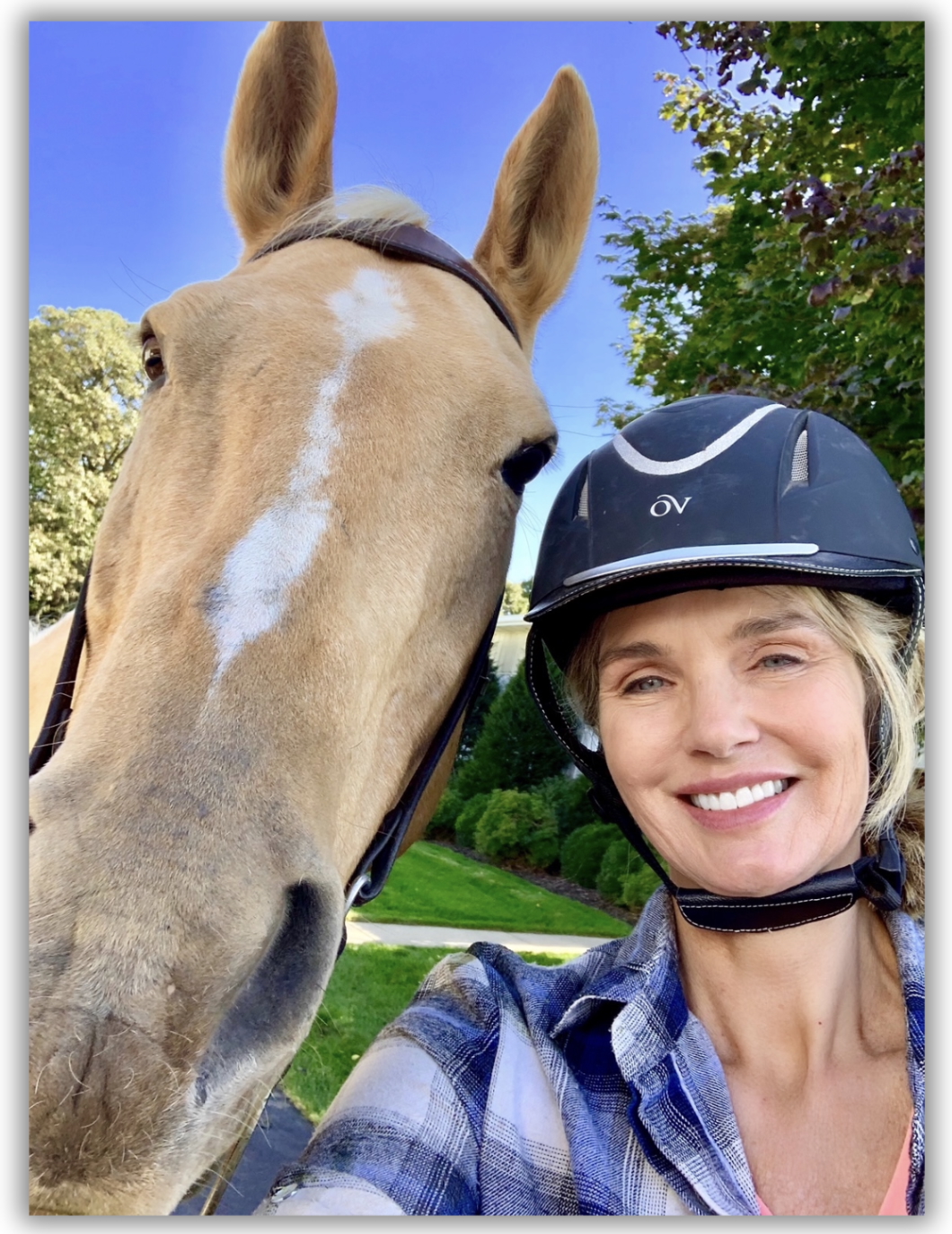
TK Sheffield, MA, writes stories to laugh and escape, including new a romcom
“The Valentine Lines,” and “Nellie’s Island,” a children’s horse
story set in Mackinac Island. Sheffield also writes funny cozy mysteries, “The
Devil Wears Prada” meets a Wisconsin supper club, which have earned an IBPA
Humor medal, a Claymore, and an IPPY. She’s on the Wisconsin Writers
Association’s board, host of the Wispresso Café, an author talk
show, and a member of Blackbird Writers, Sisters in Crime, and SCBWI.
Contact Links
Website
Facebook
Blog
Goodreads
Pinterest
Instagram
LinkedIn
Purchase Link
Preorder until December 9th
On Sale for Preorders for just $0.99
Amazon
Like this:
Like Loading...